Reference
Africa travel facts for travel professionals
Twelve East and Southern African countries compared for travel professionals: when to go, plug types and voltage, currency, time zone, dialling code, driving side and the main international airports. Each country links to its full guide with a directory of the places agents sell.
When is the best time to visit each country?
Each country’s seasons from its guide. General pattern only; it varies by region and year. Select a month for where to go in it.
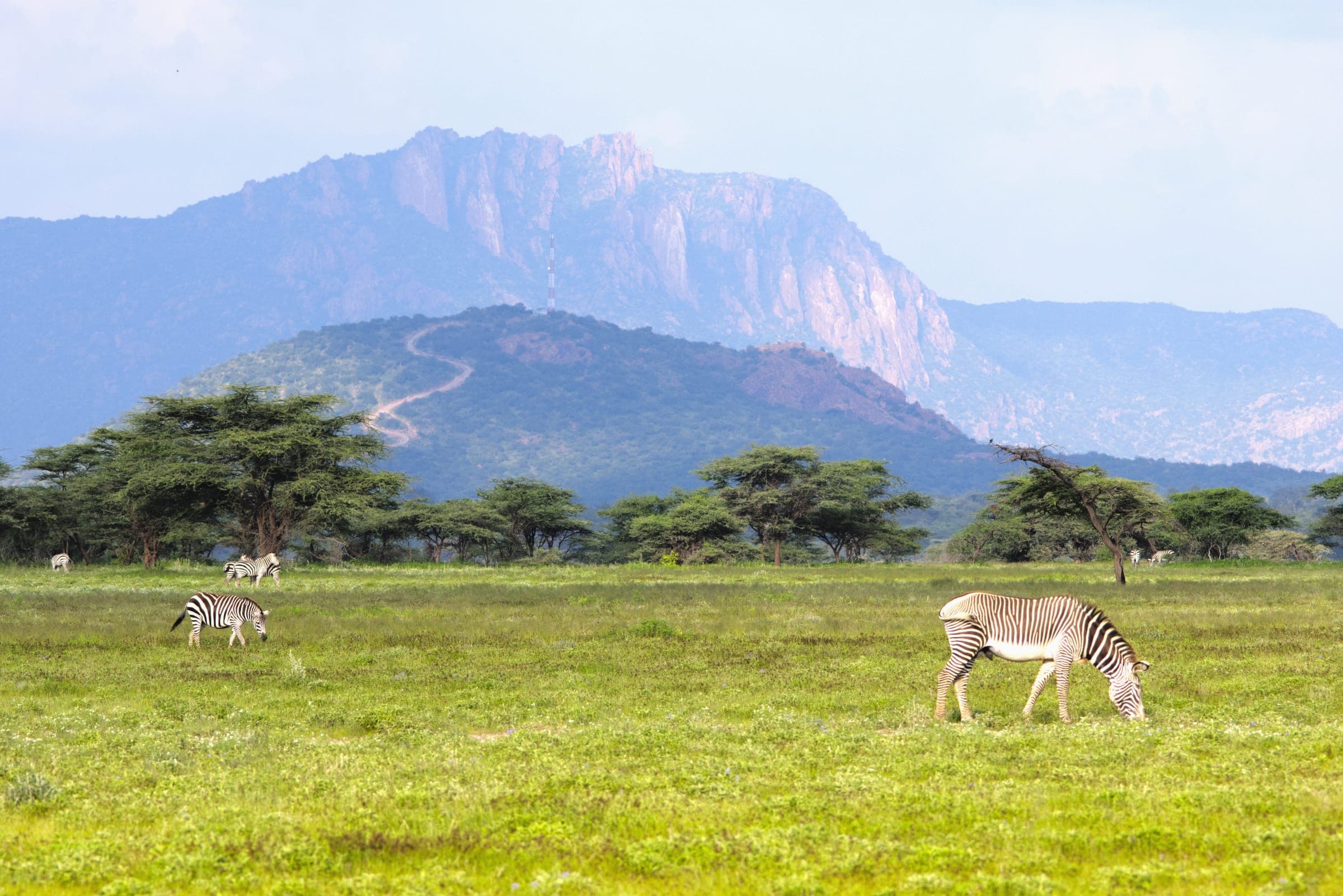
- Botswana. The dry season from May to October is the most popular time to visit Botswana, when the Okavango Delta is at its fullest and wildlife gathers at water; the green season from November to April brings rain, newborn animals, the zebra migration in the Makgadikgadi and lower rates.
- Ethiopia. The dry Bega season from October to January is generally the best time to visit Ethiopia, with lighter Belg rains from February to May and the main Kiremt rains across the highlands from June to September.
- Kenya. The long dry season from June to October is generally the best time to visit Kenya for a safari, with January and February a second, shorter dry window; the long rains fall mainly in April and May.
- Malawi. The dry season from May to October is the best time for most visitors to Malawi, with the best game viewing towards the end of it, although parks and reserves stay open all year.
- Mozambique. The dry season from May to October is the best time for most visitors to Mozambique, avoiding the November to April rainy season, when cyclones and floods can occur.
- Namibia. Namibia can be visited all year, but the dry season from May to October is the best time for wildlife viewing, including in Etosha National Park.
- Rwanda. Rwanda can be visited year-round, but the drier months of June to August and January to February usually give the easiest trekking conditions, with the main rains from March to May and September to December.
- South Africa. South Africa can be visited year-round: the dry winter from May to September is best for game viewing in Kruger and the north-east, while Cape Town is at its driest and warmest from December to March.
- Tanzania. The long dry season from June to October is generally the best time to visit Tanzania for a safari, and January to February is the calving season on the southern Serengeti plains; the long rains fall mainly in April and May.
- Uganda. The drier months of December to February and June to August are generally the best time to visit Uganda for gorilla and chimpanzee trekking and game drives, although trekking runs all year.
- Zambia. The dry season from May to October is the main safari season in Zambia, with game concentrating near water as the bush dries out towards September and October; the rains run from November to April, when the parks turn green and travel in remote areas is harder.
- Zimbabwe. The dry season from May to October is the best time for game viewing in Zimbabwe, when wildlife gathers at rivers and waterholes; Victoria Falls carries the most water after the rains, from about February to June.
Plugs, currency and time zones at a glance
| Country | Plugs | Power | Currency | Time zone | Dialling | Drives on | Gateways | Visa |
|---|---|---|---|---|---|---|---|---|
| Botswana | DGM | 230 V, 50 Hz | Botswana pula (BWP) | UTC+2 | +267 | Left | MUB, BBK, GBE | Official portal |
| Ethiopia | CFL | 220 V, 50 Hz | Ethiopian birr (ETB) | UTC+3 | +251 | Right | ADD | Official portal |
| Kenya | G | 240 V, 50 Hz | Kenyan shilling (KES) | UTC+3 | +254 | Left | NBO, MBA | Official portal |
| Malawi | G | 230 V, 50 Hz | Malawian kwacha (MWK) | UTC+2 | +265 | Left | LLW, BLZ | Official portal |
| Mozambique | CFM | 220 V, 50 Hz | Mozambican metical (MZN) | UTC+2 | +258 | Left | MPM, VNX | Official portal |
| Namibia | DM | 220 V, 50 Hz | Namibian dollar (NAD) | UTC+2 | +264 | Left | WDH, WVB | Official portal |
| Rwanda | CJ | 230 V, 50 Hz | Rwandan franc (RWF) | UTC+2 | +250 | Right | KGL | Official portal |
| South Africa | CMN | 230 V, 50 Hz | South African rand (ZAR) | UTC+2 | +27 | Left | JNB, CPT, DUR | Official portal |
| Tanzania | DG | 230 V, 50 Hz | Tanzanian shilling (TZS) | UTC+3 | +255 | Left | JRO, DAR, ZNZ | Official portal |
| Uganda | G | 240 V, 50 Hz | Ugandan shilling (UGX) | UTC+3 | +256 | Left | EBB | Official portal |
| Zambia | CDG | 230 V, 50 Hz | Zambian kwacha (ZMW) | UTC+2 | +260 | Left | LUN, LVI, MFU | Official portal |
| Zimbabwe | DG | 220 V, 50 Hz | Zimbabwe Gold (ZiG) and US dollar (ZWG, USD) | UTC+2 | +263 | Left | HRE, VFA, BUQ | Official portal |
Entry and health requirements change and depend on your passport and route: each country guide links to the official sources.
Questions travel professionals ask
Which African safari countries use UK-style type G plugs?
Of the twelve countries in this guide, type G sockets are used in Botswana, Kenya, Malawi, Tanzania, Uganda, Zambia and Zimbabwe. Several of these also use other types, so check each country's entry above.
What time zones are East and Southern Africa in?
Central Africa Time (UTC+2): Botswana, Malawi, Mozambique, Namibia, Rwanda, Zambia and Zimbabwe. East Africa Time (UTC+3): Ethiopia, Kenya, Tanzania and Uganda. South African Standard Time (UTC+2): South Africa.
Which of these countries drive on the right?
Ethiopia and Rwanda drive on the right. The other countries in this guide drive on the left.
Do I need a visa to visit East and Southern Africa?
Rules depend on the country and your passport. Botswana: Many nationalities, including UK passport holders, can visit Botswana for short stays without a visa; others apply in advance through the Botswana government's e-visa service. Ethiopia: Most visitors need a visa for Ethiopia, and tourist visas can be applied for before travel on the official e-visa platform; check the current rules for your passport. Kenya: Most visitors to Kenya need an Electronic Travel Authorisation (eTA) applied for online before travel, and since October 2026 most also need Kenyan Government travel health insurance, bought as part of the eTA application. Malawi: Visa rules for Malawi depend on nationality: some visitors can get a visa on arrival, others must obtain one before travel, and the Department of Immigration recommends applying in advance through its official eVisa portal. Mozambique: Citizens of several neighbouring countries can enter Mozambique without a visa; most other visitors need an eVisa or Electronic Travel Authorisation (ETA) from the official portal before travelling. Namibia: Some nationalities can visit Namibia without a visa; many others, including UK, US and most EU passport holders, need one, which can be applied for online as an eVisa or obtained on arrival. Rwanda: Visitors of all nationalities can get a visa on arrival in Rwanda, some without a fee, or apply online in advance through the government portal, Irembo. South Africa: Many passport holders can visit South Africa without a visa for short stays, while others must apply in advance; check the current rules for your passport with the Department of Home Affairs. Tanzania: Most visitors need a visa for Tanzania, which can be applied for before travel through the official e-visa portal, and all non-resident visitors to mainland Tanzania and Zanzibar must hold Tanzanian Government-provided inbound travel insurance. Uganda: Most visitors need a visa for Uganda, applied for online before travel through the official immigration portal. Zambia: Zambia waives visas for nationals of many countries, including the UK; others apply through the Zambia Department of Immigration's online service. Zimbabwe: Most visitors need a visa for Zimbabwe, available on arrival or in advance through the government's e-visa platform. Each country's guide links to its official portal and to UK government entry advice.
Do I need a voltage converter for Africa?
Mains supply in these countries is 230 V, 220 V and 240 V at 50 Hz. Devices rated 100–240 V, such as most phone and laptop chargers, need only a plug adapter; check the label on anything else.
Next step
Connect with the hosts and agents behind Africa fam trips
Fam trips are offered to agents hosts already know. A RepBud profile connects the two sides: reps, DMCs and tourist boards on one, travel agents and tour operators on the other.
Full information about fam trips is found by connecting on RepBud with the reps, DMCs and tourist boards organising them.
Join RepBuddiesFam trip information is only shared by members who are currently organising fams, and connecting is not a guarantee of a place.
Choose the markets your guests sell from. Economy is free, with no card.
Create your free RepBud profile